Signs It’s Time To Replace Your Home Siding
Your siding shapes the look of your home, but its more important job is protecting the materials underneath from daily weather exposure. As siding ages, small problems can spread and make routine repairs less effective.
Knowing the signs it’s time to replace your home siding can help you act before exterior damage becomes more disruptive. The right decision depends on the condition of the material, how widespread the problems are, and whether the siding still performs as it should.
Your Siding Has Widespread Cracks or Gaps
One isolated crack may only need a targeted repair. When cracks or open seams appear across several walls, however, the siding may no longer provide consistent protection.
Inspect the exterior from different angles and distances. Damage is often easier to spot near corners or on walls that receive regular wind and rain.
The overall pattern matters more than a single damaged spot. If cracks return after previous repairs or keep appearing in new areas, a replacement may be more practical than fixing each section separately.
Your Siding Shows Ongoing Moisture Damage
Siding helps direct water away from your home, but worn material may stop doing that job effectively. Soft sections or crumbling surfaces can indicate that moisture has affected the siding. These changes deserve attention because the visible damage may not reveal the full problem.
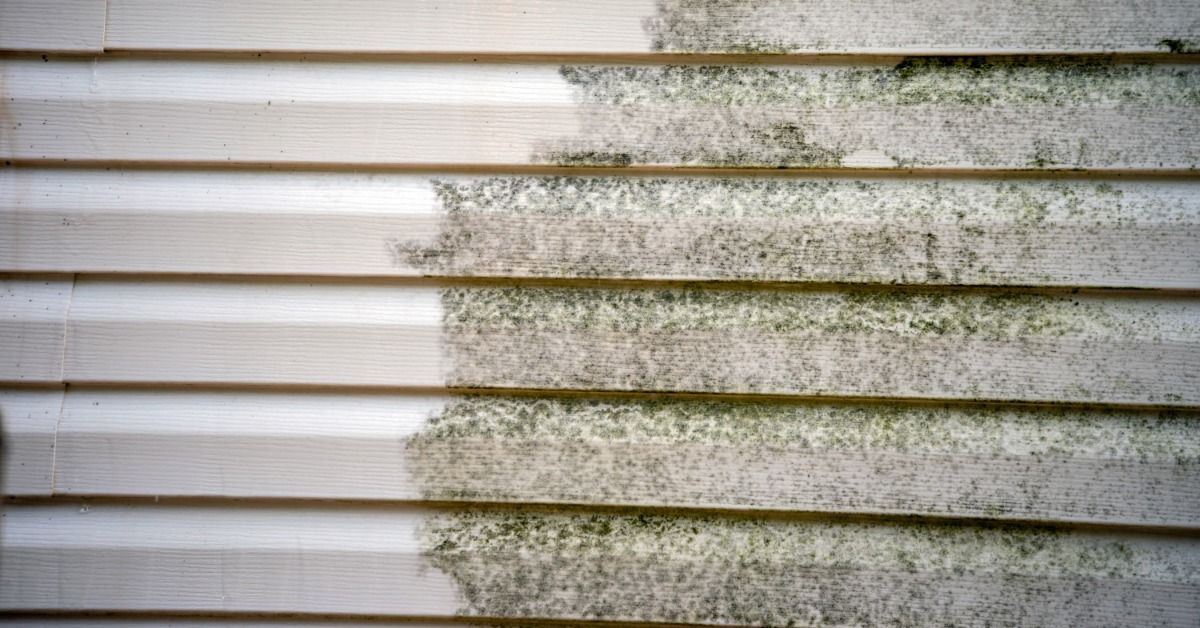
Discoloration does not always mean the siding has failed. It becomes more concerning when stains return after cleaning or appear beside warped material. Peeling paint in the same location may also suggest moisture is getting where it should not.
Watch for warning signs such as:
- Boards that feel soft when lightly pressed
- Panels that appear swollen or misshapen
- Stains that return after the exterior is cleaned
- A finish that repeatedly bubbles or peels
- Mold-like growth around seams or damaged areas
These symptoms can have different causes, so a replacement is not automatically the answer. The next step is determining whether the damage is limited to the surface or has reached the wall beneath it.
Your Siding Is Warped or Pulling Away
Siding should remain securely positioned while still allowing for normal material movement. Panels that bow outward or separate from the wall may no longer be properly attached.
Stand near a corner of the house and look down the length of each wall. This angle often makes raised edges easier to see than a straight-on view. Note whether the problem affects one panel or continues across a larger area.
A loose section may be repairable when the surrounding siding remains stable. Widespread warping can point to a larger issue that another small repair will not solve.
Your Siding Requires Frequent Repairs
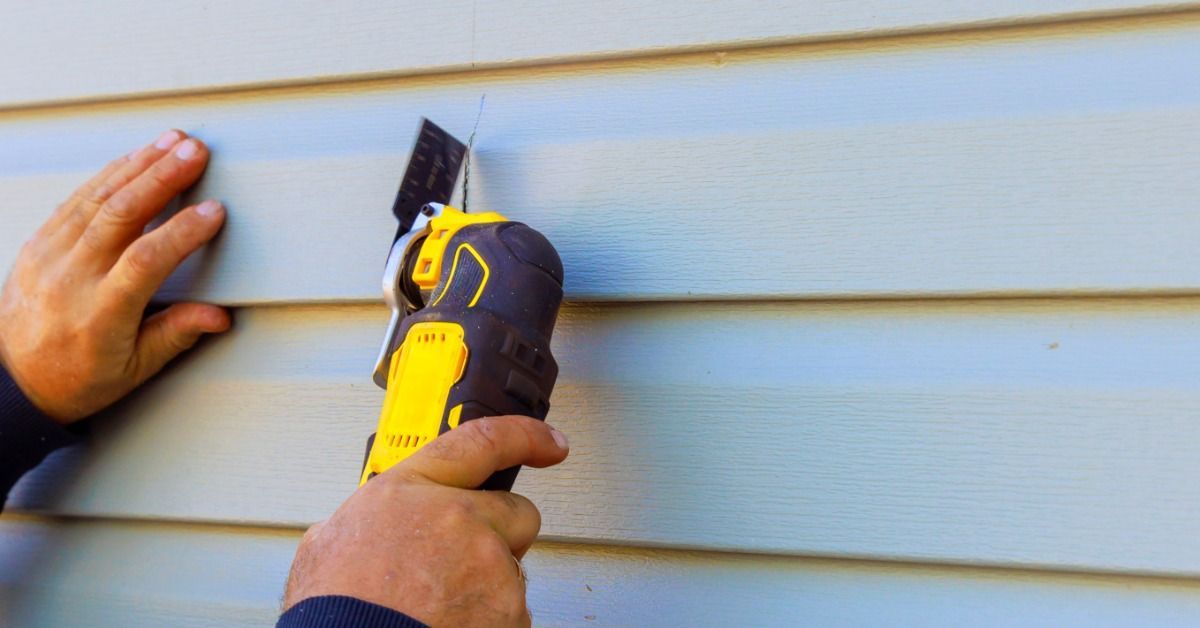
Every siding material needs some care over time. Repairs become a warning sign when they are needed repeatedly or begin appearing in several parts of the home. You may secure one panel only to find another section separating soon afterward.
Frequent repainting can reveal a similar pattern. Exterior finishes naturally wear, but paint that peels earlier than expected may signal a problem beneath the surface.
Consider how often siding maintenance lands on your home improvement list. When repairs keep multiplying, a replacement may provide better long-term value and a more consistent exterior.
Your Indoor Comfort Has Become Less Consistent
Siding is only one part of the exterior wall system, so uneven indoor temperatures do not automatically mean it needs to be replaced. Windows and insulation can also affect comfort. Still, gaps in damaged siding may allow more outdoor air to reach the wall assembly.
You may notice that rooms along exterior walls feel unusually cold in winter or warm during summer. Drafts can also become more noticeable near corners or places where panels have loosened.
A siding contractor can evaluate the exterior and explain whether the material’s condition may be contributing to the problem. Ask what will be inspected once the existing siding is removed and how concerns beneath it would be addressed.
Your Home’s Exterior Looks Permanently Faded
Fading is usually an appearance concern rather than an urgent structural problem. Even so, uneven color can make the exterior look worn, especially when sunlight has affected some walls more than others. Cleaning may not restore siding once the original finish has significantly deteriorated.
Your current siding may also feel disconnected from other updates you have made to the home. New windows or doors can make an older exterior finish stand out more than it did before.
Appearance alone is a personal reason to replace siding. It becomes a stronger factor when fading appears alongside cracking or constant maintenance. That combination is one of the more practical signs that it is time to replace your home siding rather than invest in another short-term refresh.
Your Siding Has Reached an Older Age
There is no single replacement schedule that applies to every home. Siding conditions depend on the material and installation, along with how well it has been maintained.
If you do not know when your siding was installed, review any records left by a previous owner. You can also have the exterior evaluated based on its present condition instead of relying on age alone. Visible performance is usually more useful than an installation date by itself.
Older siding deserves closer attention when multiple warning signs appear at the same time. Loose panels combined with recurring moisture damage may indicate that repairs are providing less value. An assessment can help you compare another round of maintenance with a planned replacement.
Your Siding Problems Extend Beyond One Area
Replacements become more likely when damage is no longer limited to one wall or an isolated section. A few small repairs may make sense when the surrounding material remains secure. Broad deterioration often calls for a more complete approach.
Before contacting a remodeling contractor, walk around the home and note where you see changes. Take photos of damaged sections and gather any available maintenance records. Write down whether your family has also noticed drafts or recurring moisture concerns indoors.
This information gives the contractor a clearer starting point for the conversation. It can also help you ask more specific questions about materials and preparation. A smoother remodeling experience starts with a clear plan and an honest assessment of the full exterior.
Plan Your Siding Replacement With Local Guidance
Replacing siding is a significant home improvement, but you do not need to make the decision based on one crack or faded panel. Look at the overall condition of the exterior and consider whether repairs are still delivering dependable results. Clear next steps can help you protect your home while improving its curb appeal.
Contemporary Remodeling helps homeowners in Fairfax County and surrounding Northern Virginia communities plan practical exterior upgrades. To discuss siding replacements and what to expect from the process, call 703-569-5412 or contact our team to schedule an appointment.