Popular Vinyl Siding Colors for Modern Homes
The color of your siding can change how your entire home looks from the street. Maybe your current exterior feels dated, or you're ready for a fresh appearance that better reflects your style. Either way, choosing a new color is an opportunity to update your home without changing its architectural character.
Popular vinyl siding colors for modern homes range from warm whites to deep blues and earthy greens. The challenge is finding a shade that looks good on your particular house, not just on a sample. Before settling on a favorite, it helps to see how different colors work with your home's existing features. Learn more about choosing the right one for you below!
How To Choose Neutral Vinyl Siding Colors
Neutral siding colors are a good starting point if you want an updated exterior that won't feel overly trendy. They suit many homes, from traditional colonials to split-level houses. The right neutral can also bring out architectural details you may not have noticed before.
Warm White and Cream
White siding gives a home a clean, fresh appearance, especially when paired with darker shutters. If bright white feels too stark, cream or off-white can create a softer look.
These warmer shades are particularly appealing on homes with traditional details. Keep in mind that lighter siding may show dirt more readily, especially near landscaping or areas exposed to runoff.
Light Gray and Greige
Light gray offers a contemporary appearance without making the exterior feel too dark. It pairs nicely with white trim and can give an older home a more updated look.
Greige combines gray and beige for a warmer alternative. It's worth considering if your home has brick accents that don't quite work with cooler grays. Comparing both shades outdoors can help you see which undertone suits the home better.
Beige and Taupe
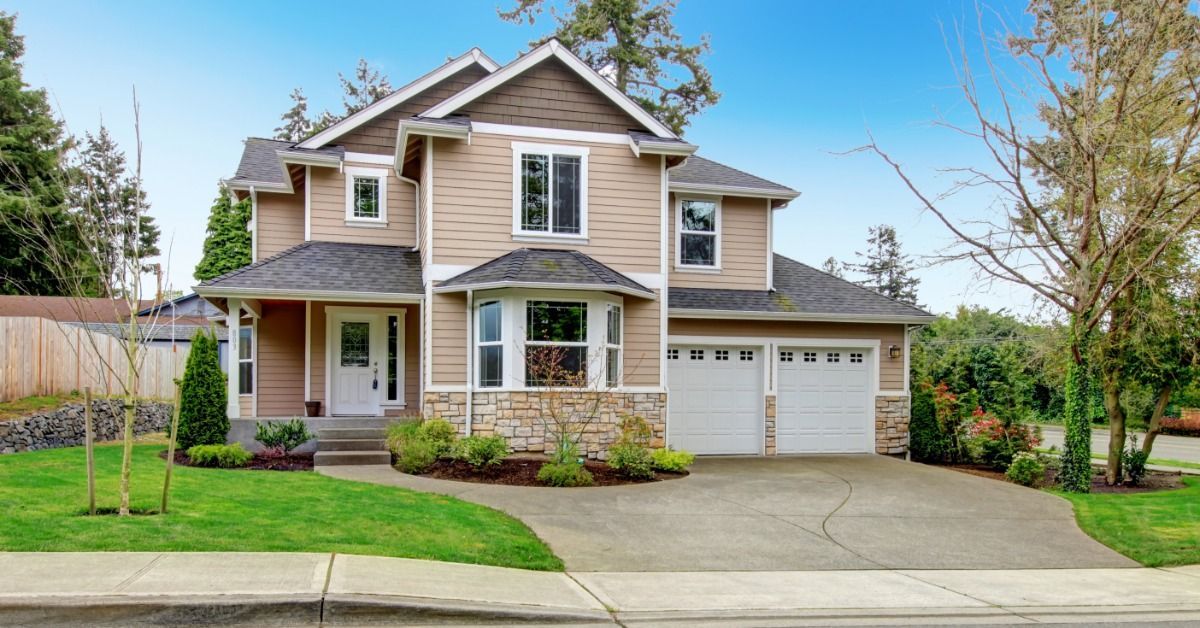
Beige and taupe may sound traditional, but the right shade can look surprisingly modern. Taupe generally has more depth than standard beige, making it appealing if you want a subtle change.
However, both colors give you flexibility if you plan to update your shutters or front door later. Rather than drawing attention to the siding itself, they let other exterior features stand out.
How To Choose Bold Vinyl Siding Colors
If neutrals feel too understated, darker siding can give your home a more distinctive appearance. These shades often create stronger contrast around windows and entryways, bringing architectural details into focus.
Keep in mind—bold doesn't have to mean bright. Many modern exteriors use deeper, muted colors that add personality without looking out of place in established neighborhoods.
Charcoal Gray
Charcoal gray creates a striking exterior without the intensity of pure black. It's particularly attractive with white trim, which helps define the windows and roofline.
Before choosing charcoal, ask about the specific vinyl siding product. Darker colors can absorb more heat, so you'll want a product designed for that shade and installed according to the manufacturer's requirements.
Navy Blue
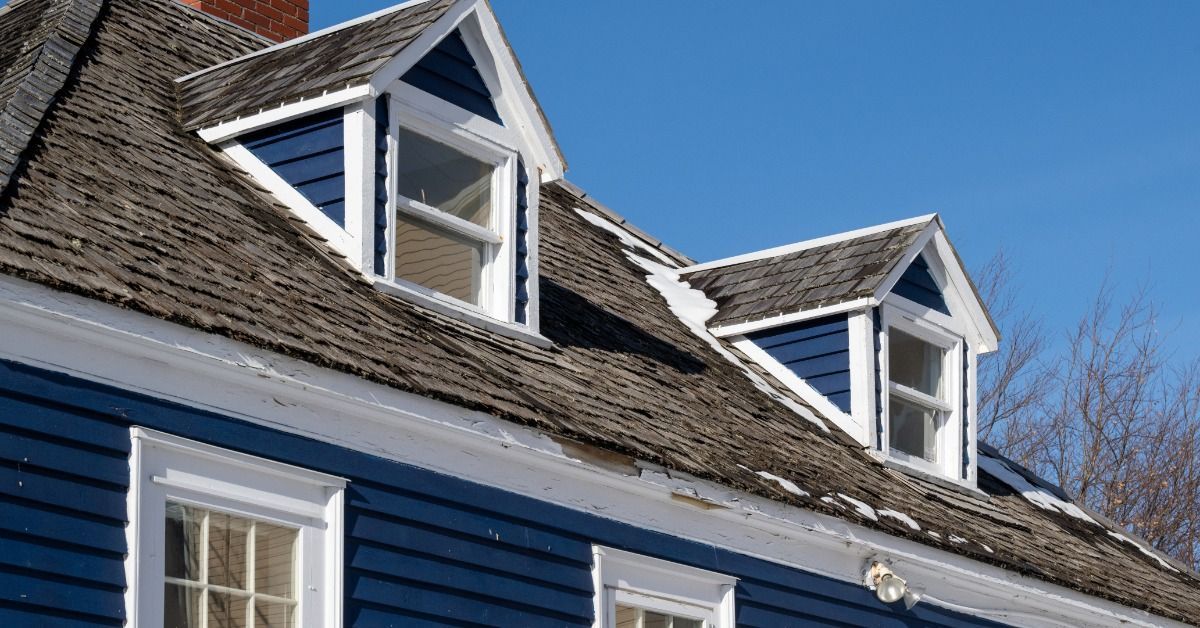
Navy blue has a rich appearance that works well on traditional and contemporary homes alike. It feels more colorful than charcoal while remaining understated enough for many neighborhoods.
White trim gives navy siding a crisp finish. If your roof is already dark, though, compare samples carefully so the exterior doesn't lose too much contrast.
Forest Green
Forest green can make a home feel connected to its surroundings, especially if your property has mature trees. It's an appealing alternative to the grays often associated with modern exteriors.
This shade also works nicely with warm wood accents. Just pay attention to the exact green you're considering. A muted forest green feels quite different from a brighter shade once it covers an entire house.
How To Match Siding Colors With Existing Exterior Features
Finding a color you love is only half the decision. Your roof and other permanent exterior materials will influence how that color looks after installation.
Start with the features you're planning to keep. That way, you can narrow your choices before getting attached to a shade that doesn't work with the rest of the house.
Match Your Roof Color
Your roof takes up a significant portion of the visible exterior, so its color deserves attention. Warm brown roofing may pair naturally with cream or taupe siding, while cooler gray roofing can complement navy or light gray.
Coordinate With Brick and Stone
Brick and stone often have undertones that become more noticeable beside new siding. Red brick, for example, may look warmer next to cream siding than it does beside cool gray.
If your home has stone accents, compare samples directly against the stone instead of relying on online photographs. Even small differences in undertones can affect the finished appearance.
Consider Your Trim and Shutters
Trim can make darker siding feel brighter by outlining windows and doors. Shutters also have a noticeable effect, particularly on homes with traditional front elevations.
You don't necessarily need to replace these features when updating your siding. Choosing a color that complements what you already have can create a more cohesive result while keeping the project focused.
How To Compare Vinyl Siding Colors Before Installation
A siding sample can look quite different once the same color covers an entire wall. That's why comparing popular vinyl siding colors for modern homes involves more than flipping through a brochure.
Natural light changes throughout the day, and the direction your home faces can affect how colors appear. A shade that looks soft in the morning might seem much brighter by afternoon.
Before making your final selection, try these steps:
- Request physical samples. Ask which colors are available in the siding product you're considering.
- View samples outdoors. Hold them near existing exterior materials to compare undertones.
- Check different lighting conditions. Look at your favorites in direct sunlight and shade.
- Step back from the house. Imagine how the color will look across a larger surface.
- Confirm product availability. Make sure your preferred shade comes in the siding profile you want.
If you're considering siding in Springfield, VA, think about how the exterior will look throughout the year. Landscaping changes with the seasons, and a color that complements summer greenery should still feel right when the trees are bare.
Nearby homes can offer useful inspiration, too. You don't have to match your neighbors, but seeing colors on houses with similar architecture may help you narrow your options. If your neighborhood has exterior appearance requirements, check those before making a final decision.
How To Make Your New Siding Color Feel Right at Home
A new siding color should feel like it belongs on your house, not just like something that caught your eye in a showroom. Whether you prefer a warm neutral or a deeper shade, take time to compare samples against the features you're keeping.
If you've narrowed your choices but aren't sure which siding product makes sense for your home, Contemporary Remodeling can help you work through the next steps. Our family-owned team serves Fairfax County and surrounding Northern Virginia communities. Call 703-569-5412 to talk about your siding replacement plans and the options you're considering.