Energy-Efficient Windows for Northern Virginia
If one room is always colder than the rest of the house in winter or heats up quickly on a sunny afternoon, your windows may be part of the problem. Energy-efficient windows for Northern Virginia homes are designed to limit unwanted heat transfer without giving up daylight or ventilation. The right replacement can make a room more comfortable while still fitting the way your family uses it. Before you compare products, it helps to know which window features actually affect performance.
How To Understand Energy-Efficient Window Performance
Your windows sit directly between your living space and outdoor temperatures. When an older window lets more heat move through the glass or frame, the area around it can feel noticeably different from the rest of the room.
An energy-efficient replacement is designed to reduce that transfer. Better insulation through the window can help a room hold a steadier temperature during Northern Virginia’s hot summers and cold winter stretches.
Still, one new window won’t solve every comfort concern in a house. Insulation and the condition of other exterior materials can affect how a room feels too. Treating the window as one part of the home gives you a more realistic idea of what the upgrade can improve.
How To Read Window Efficiency Ratings
Window labels can look technical at first, but a couple of ratings tell you a lot about performance. Two of the most useful are U-factor and Solar Heat Gain Coefficient (SHGC).
U-factor describes how readily heat moves through the window. A lower U-factor indicates better resistance to heat flow.
SHGC measures how much solar heat passes through the glass. A lower SHGC means the window allows less heat from sunlight into the home. That can matter in rooms that receive strong sun during warmer months.
Instead of choosing a window based on one number, look at how the ratings work together. The direction a window faces and the amount of sun that reaches it can influence which combination makes sense for the room.
How To Compare Energy-Efficient Window Features
Once the ratings make sense, the individual window features are easier to evaluate. Many energy-efficient windows use more than one pane of glass with a sealed space between the panes. That design slows heat transfer better than a basic single-pane window.
Low-emissivity (low-e) coatings are another common feature. These thin coatings help manage heat passing through the glass while still allowing daylight into the room. Ask how the recommended glass package fits the conditions around your home.
Some insulated glass units also use gas between the panes to improve thermal performance. The frame contributes to efficiency as well, which is another reason to compare the complete window rather than shopping by glass alone.
When you review products, focus on questions that connect the specifications to your home:
- How is the complete window rated for energy performance?
- What glass package is recommended for the room?
- How does the frame contribute to insulation?
- How will direct sunlight affect the choice?
- What maintenance will the window need over time?
How To Decide Whether Replacement Makes Sense
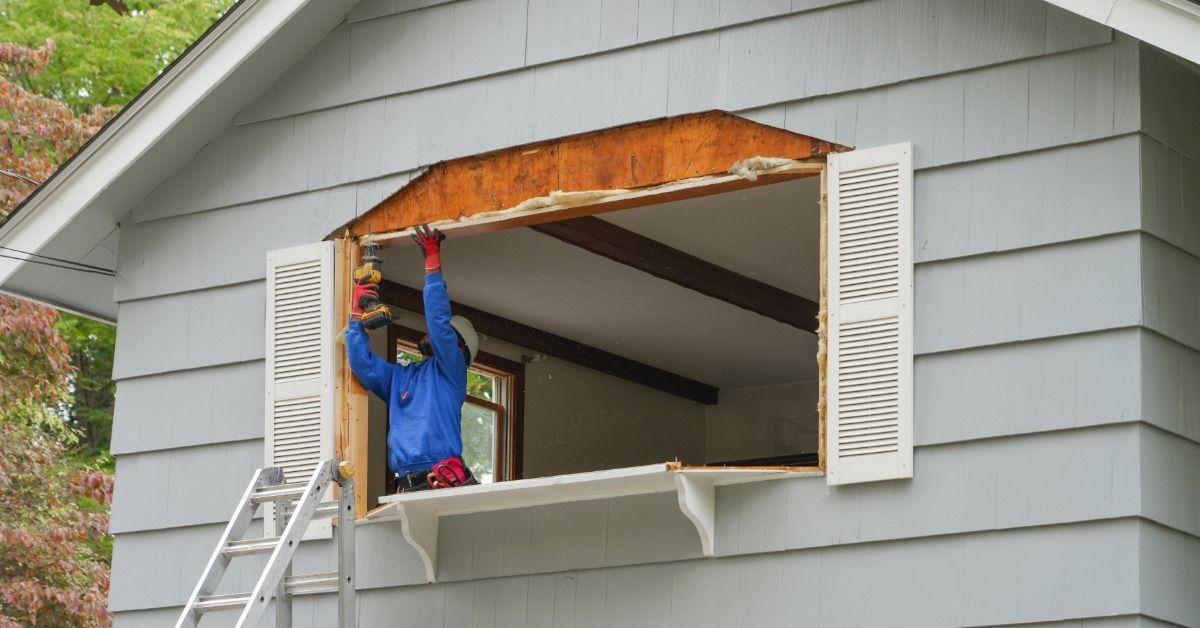
A chilly spot or noticeable draft doesn’t automatically mean you need new windows. Air can sometimes enter around trim or another part of the opening, and condensation can have more than one cause. Look at the window’s overall condition before assuming replacement is the only answer.
Recurring problems matter more when they start affecting daily use. A window that is difficult to open or doesn’t lock properly deserves a closer look. Visible frame deterioration and fogging between panes can also point to problems that need attention.
Additionally, think about how often the same concerns come back. If several older windows have similar issues, continuing to address them one at a time may become less practical.
For homeowners comparing energy-efficient windows in Northern Virginia , comfort should be part of the decision rather than the only factor. The condition of the existing opening matters too. A replacement should address a real problem in the room, not simply add more product features.
How To Choose Windows for Your Home
Start with the rooms that bother you most. A bedroom that feels drafty on winter mornings may need a different solution than a living room that becomes hot from afternoon sun. Make a note of when and where you notice the problem so you have useful details to bring into the product conversation.
Then think about how you use each opening. A kitchen window may need to be easy to reach and operate. In a family room, a larger view or more daylight may matter just as much as ventilation.
Style belongs in the conversation as well. Replacement windows should fit the character of the house and work with exterior elements you plan to keep. If siding or trim updates are on your longer-term list, consider how the window choice will look with those changes.
When discussing window replacement services, ask why a particular product is being recommended instead of focusing only on the brand name. A useful explanation should connect the window to the problem you want to address and the way you use the room.
How To Prepare for Window Replacement
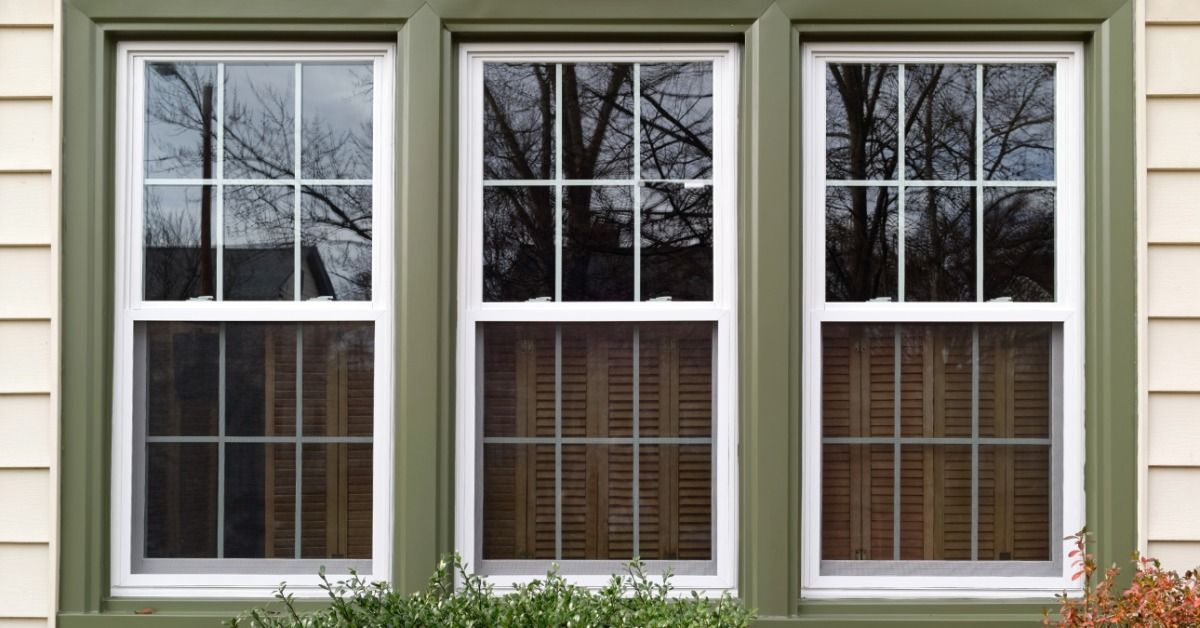
After you choose the windows, ask what needs to happen before installation day. Preparation is easier when you know which openings will be worked on and how much access the installer needs.
Inside , you may need to move furniture away from the windows and remove treatments that block the work area. Move fragile items nearby somewhere safe as well. If children or pets will be home during the project, ask where active work areas will be so you can plan around them.
Outside access matters too. Ask whether anything near the windows needs to be moved beforehand. You should also know how nearby areas will be protected and what cleanup is included after installation.
Product availability and the number of windows involved can affect scheduling, so don’t assume every replacement project follows the same timeline. Ask what happens after measurements are taken and when you should expect updates. Having those answers makes it easier to plan around the work at home.
How To Plan Your Window Upgrade With Local Guidance
Choosing energy-efficient windows is easier when you start with the problem you want to solve instead of the longest feature list. Pay attention to where your home feels uncomfortable, then compare ratings and window features with those concerns in mind. A thoughtful choice should fit the room and the way your family uses it.
If you are considering replacement windows in Fairfax County or a surrounding Northern Virginia community, Contemporary Remodeling can help you talk through what’s not working and what you want new windows to improve. Call 703-569-5412 to discuss your options and the next steps for your home. Starting with the rooms that give you the most trouble can make that first conversation more focused.